
The Midlife Weight Challenge
Have you noticed that losing weight becomes harder after 40, even when your diet and activity level have not changed? You are not imagining it. Changes in hormones, metabolism, and lifestyle during midlife can make weight management more challenging.
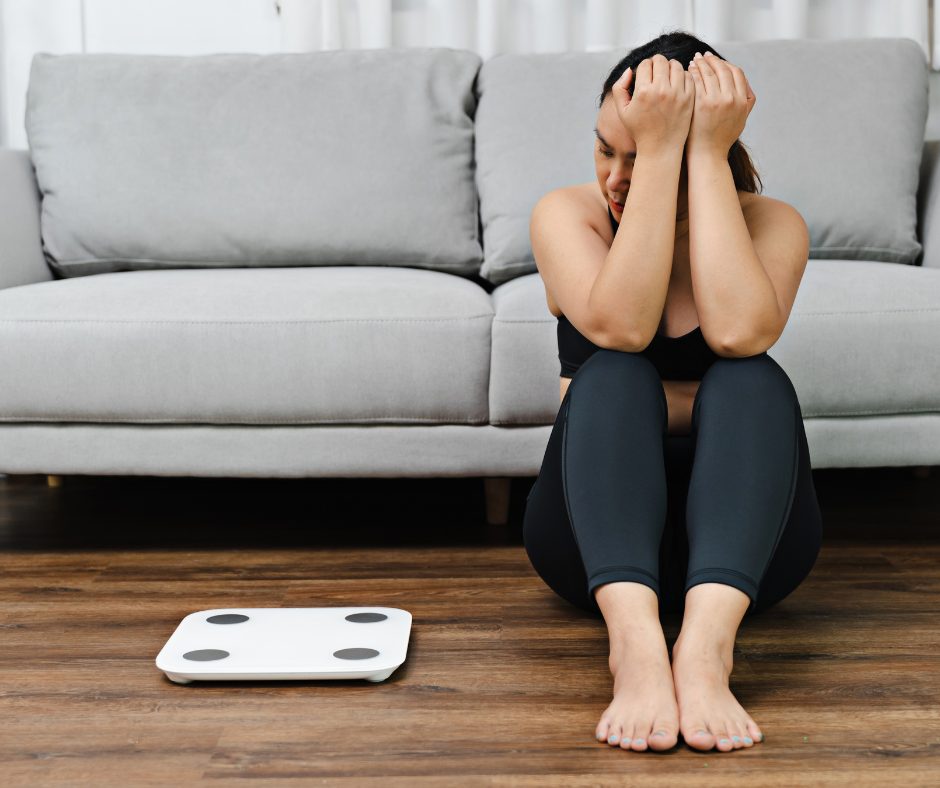
Understanding these factors can help you develop effective strategies to regain control over your body and health.
Hormonal Shifts That Affect Weight
Hormone changes are a major reason weight can increase or become harder to lose in midlife. Some key factors include:
- Estrogen Decline: Can lead to fat storage around the abdomen.
- Lower Progesterone: Contributes to water retention, bloating, and appetite changes.
- Cortisol: Chronic stress promotes belly fat and disrupts metabolism.
- Insulin Sensitivity: Declines with age, increasing the likelihood of fat accumulation and sugar cravings.
“Midlife weight gain is not a failure. It is a signal that your body’s hormonal environment has changed.” – Dr. Sara Gottfried, Hormone Expert
Metabolism and Muscle Changes

- Adults can lose 3 to 5 percent of lean muscle per decade if they do not engage in resistance training.
- Muscle loss leads to a slower metabolism and fewer calories burned at rest.
- Busy lifestyles can reduce daily activity, making it even easier to gain weight.
Tips to counteract metabolism changes:
- Incorporate resistance training 2–3 times per week.
- Add short bouts of daily movement like walking, stretching, or yoga.
- Track protein intake to maintain lean muscle mass.
Lifestyle Factors That Affect Weight
Even if hormones and metabolism shift, lifestyle habits can compound weight gain:
- Sleep Deprivation: Alters hunger hormones leptin and ghrelin, driving cravings.
- Stress: High cortisol levels increase fat storage.
- Diet: Frequent processed foods and refined carbs make it harder to maintain a healthy weight.
- Reduced Activity: Skipping strength training accelerates muscle loss and slows metabolism further.
“Your midlife weight is often a reflection of what your body needs, not a failure of willpower.”
Actionable Strategies to Support Weight Loss After 40
Hormone-Friendly Nutrition
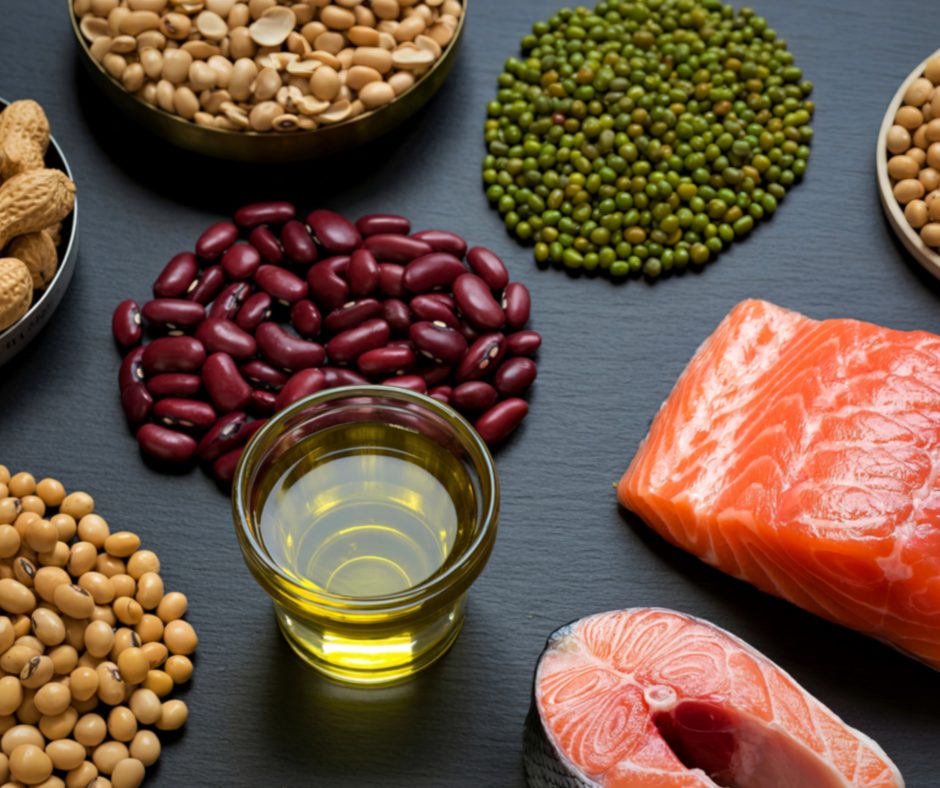
- Focus on high-fiber vegetables, lean protein, and healthy fats.
- Avoid sugar spikes and refined carbohydrates to maintain insulin and cortisol balance.
- Eat regularly to prevent blood sugar dips that increase cravings.
Strength and Movement
- Resistance training 2–3 times per week supports muscle and metabolism.
- Include daily movement such as walking, Pilates, or yoga.
- Small, consistent bouts of activity are better than occasional intense workouts.
Sleep and Stress Management
- Aim for 7–9 hours of restorative sleep.
- Practice mind-body techniques like meditation, deep breathing, or journaling.
- Reduce chronic stress to prevent cortisol-driven fat storage.
Supportive Supplements
- Certain nutrients support metabolism, liver function, and hormone balance.
- Always consult a healthcare professional before starting supplements.
Professional Hormone Evaluation
- Thyroid, cortisol, estrogen, and insulin imbalances can hinder weight loss.
- Lab testing can guide personalized interventions for sustainable results.
Mindset and Emotional Wellbeing
Weight changes in midlife are normal. Approaching your health with curiosity and self-compassion is essential.
Tips for a positive mindset:
- Focus on overall health, not just the scale.
- Practice mindful eating to tune into hunger and fullness cues.
- Celebrate small, consistent changes in habits.
“Sometimes the scale is not the problem. It reflects deeper hormonal and lifestyle changes happening inside your body.”
Conclusion
Losing weight after 40 can be challenging, but with hormone-aware nutrition, strength training, quality sleep, stress management, and professional guidance, it is achievable. Small, consistent steps often lead to the most lasting results.
At Wholesome Health, Cindy brings over 25 years of experience helping women navigate hormonal changes before, during, and after menopause. Women struggling with fatigue, stubborn weight gain, mood changes, or irregular cycles can benefit from professional support to restore balance and improve overall health.
Learn more about our unexplained weight gain services here
https://www.yourwholesomehealthcoach.com/unexplained-weight-gain/

References
- Gottfried, Sara. The Hormone Cure: Reclaim Balance, Sleep, Sex Drive and Vitality Naturally with the Gottfried Protocol. Scribner, 2013.
- Lovejoy, Jennifer C., et al. “Abdominal Fat and Metabolic Risk Factors in Men and Women.” Current Opinion in Clinical Nutrition & Metabolic Care, 2008.
- Jensen, Michael D., et al. “The Role of Body Fat Distribution and the Metabolic Complications of Obesity.” Journal of Clinical Endocrinology & Metabolism, 2012.
- Santoro, Nanette, et al. “Menopausal Weight Gain and Metabolism.” Obesity Research & Clinical Practice, 2015.
- Barrett-Connor, Elizabeth. “Hormones and Obesity in Women.” Endocrinology and Metabolism Clinics of North America, 2007.