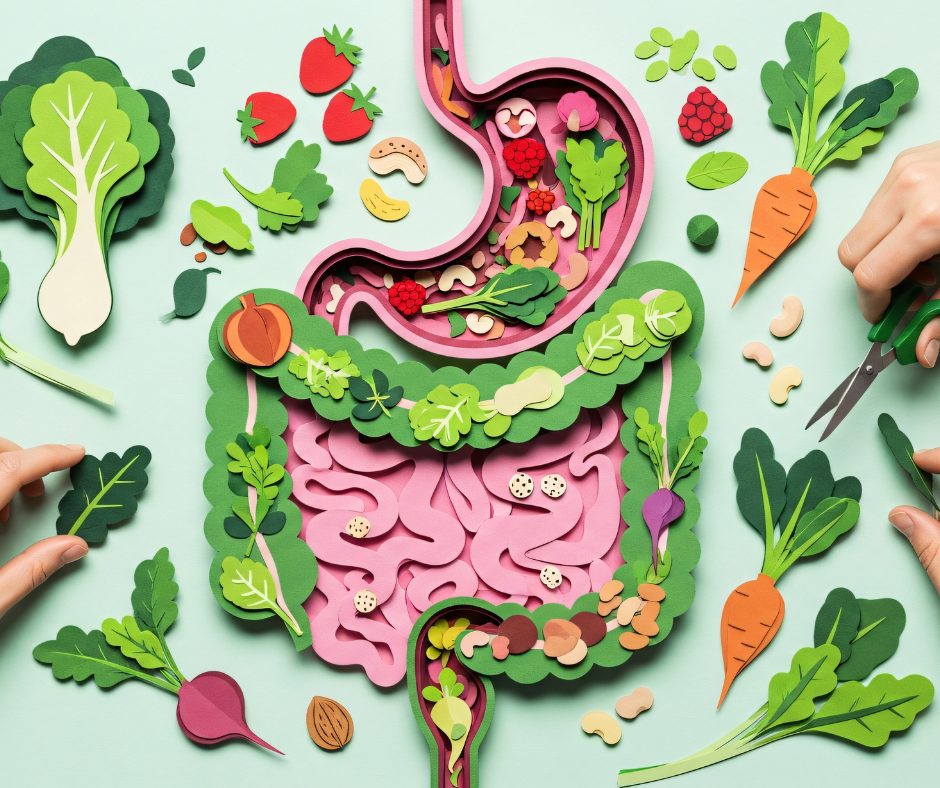
When digestive issues show up, most people immediately look at food. They cut out gluten, dairy, sugar, nightshades, or anything else that seems suspicious. Sometimes that helps. Often, it does not.
Bloating, gas, constipation, diarrhea, reflux, and general digestive discomfort are some of the most common health complaints, yet they are also some of the most misunderstood. Digestive issues are rarely just about what you eat. More often, they are signals from your body that something deeper needs attention.
Your gut is not just a food-processing tube. It is a communication center that responds to stress, hormones, inflammation, and your nervous system. When digestion feels off, your body is often asking for support, not restriction.

Why Food Is Only Part of the Digestive Picture
Food matters, but it is only one piece of gut health. You can eat the cleanest diet imaginable and still struggle with digestive problems if the underlying systems that control digestion are not functioning well.
Digestion depends on things like stomach acid, enzyme production, bile flow, intestinal movement, and nervous system signaling. If any of those are impaired, symptoms can appear regardless of how healthy your meals look.
Common signs your digestive issues may not be about food alone include:
- Bloating even after simple meals
- Digestive symptoms that change day to day
- Feeling worse when stressed, rushed, or anxious
- Food sensitivities that seem to come and go
- Digestive discomfort despite eating “clean”
As gastroenterologist Dr. Emeran Mayer explains in his work on the gut brain connection:
“The gut does not function independently. It is in constant communication with the brain, immune system, and hormones.”
The Gut as a Communication Hub
Your gut contains its own nervous system, known as the enteric nervous system. It communicates directly with your brain through the vagus nerve, immune signaling, and chemical messengers like neurotransmitters.
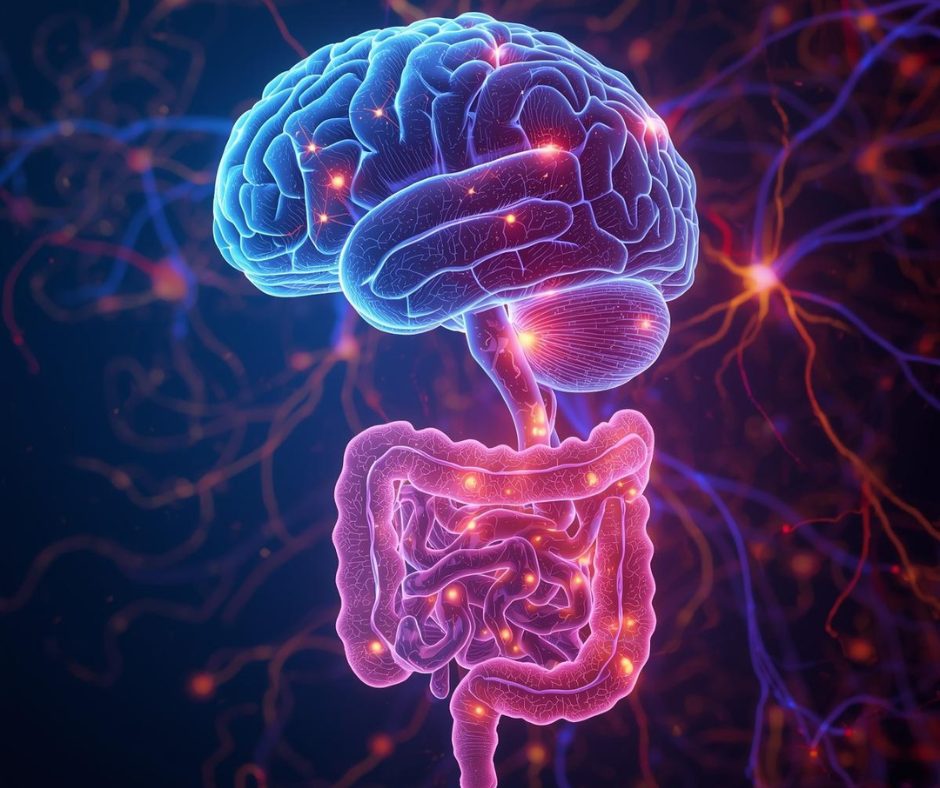
This means your digestive system responds to what is happening in your life, not just what is on your plate.
When your body perceives stress, digestion is one of the first things to slow down. Blood flow shifts away from the gut. Stomach acid and enzymes decrease. Intestinal movement changes. Over time, this can contribute to chronic digestive issues.
The gut is also closely tied to inflammation. When the gut lining becomes irritated or inflamed, digestion suffers and symptoms can ripple throughout the body.
How Stress and the Nervous System Affect Digestion
One of the most overlooked contributors to digestive problems is the nervous system.
Your body has two primary modes that affect digestion:
- Rest and digest
- Fight or flight
Digestion works best in a calm, regulated state. When stress becomes chronic, your body stays in survival mode. Even low-grade stress can interfere with digestion if it is constant.
Signs your nervous system may be impacting your gut health include:
- Digestive symptoms worsening during busy or emotional periods
- Needing stimulants like caffeine to get going
- Feeling wired but tired
- Trouble relaxing during meals
Research published in Nature Reviews Gastroenterology & Hepatology shows that chronic stress alters gut motility, increases intestinal permeability, and disrupts the gut microbiome. This creates a cycle where stress worsens digestion and digestive discomfort increases stress.
Inflammation, Hormones, and Digestive Issues
Digestive issues rarely exist in isolation. The gut plays a central role in hormone balance and inflammation.
Your digestive system helps:
- Regulate estrogen through proper elimination
- Support thyroid hormone conversion
- Train and modulate the immune system
- Maintain a healthy inflammatory response
When digestion is compromised, hormones and inflammation often follow. This is why digestive problems commonly overlap with symptoms like brain fog, fatigue, joint pain, and unexplained weight gain.
According to Harvard Health Publishing:
“An unhealthy gut microbiome has been linked to chronic inflammation and a wide range of health conditions, far beyond digestion alone.”
This is also why digestive symptoms can fluctuate with hormonal changes, sleep disruption, or illness. The gut is responding to the whole picture, not just food intake.
When “Eating Clean” Still Does Not Fix Digestive Problems
Many people with digestive issues end up stuck in a cycle of restriction. They remove more and more foods, hoping symptoms will disappear. Sometimes symptoms improve temporarily, but the relief rarely lasts.
This is often because restriction does not address:
- Low stomach acid
- Poor enzyme production
- Sluggish bile flow
- Nervous system dysregulation
- Ongoing inflammation
Food elimination can reduce irritation, but it does not teach the gut how to function properly again.
True gut health support focuses on restoring digestion, not avoiding food indefinitely.
What Your Gut Is Really Trying to Tell You
Digestive issues are messages. They are not random, and they are not failures.
Your gut may be signaling:
- It does not feel safe or supported
- It needs better nervous system regulation
- Inflammation is interfering with normal function
- Hormonal balance needs attention
- Digestion needs foundational support
Listening to these signals allows you to move away from symptom management and toward root cause healing.
A Root Cause Approach to Digestive Issues
Supporting digestive health requires looking at the full system, not just the plate.
A root cause approach to digestive issues may include:
- Supporting the nervous system so digestion can turn back on
- Reducing inflammation that disrupts gut signaling
- Improving digestive function and motility
- Identifying patterns rather than chasing symptoms
This approach helps the gut regain resilience and flexibility, instead of reacting to every trigger.
Closing: Bringing It All Together
Digestive issues are rarely just about food. Gut health is shaped by stress, nervous system regulation, inflammation, and hormonal balance just as much as diet. Chronic digestive problems like bloating, discomfort, and irregular digestion are often signals that your body needs deeper support.
When digestion is addressed at the root level, symptoms are less likely to return and the body can begin restoring balance naturally. This whole-body perspective is essential for lasting relief from digestive issues.
If you are struggling with ongoing digestive problems and feel stuck chasing symptoms, our Digestive Issues service is designed to help uncover what your gut is really trying to tell you and support true healing at the root.
👉 Explore our Digestive Issues support here
Your gut is not broken. It is communicating. Learning how to listen is often the first step toward lasting wellness.

References
- Mayer, E. A. (2016). The Mind-Gut Connection: How the Hidden Conversation Within Our Bodies Impacts Our Mood, Our Choices, and Our Overall Health. Harper Wave. https://www.harpercollins.com/products/the-mind-gut-connection-emeran-mayer
- Cryan, J. F., & Dinan, T. G. (2012). Mind-altering microorganisms: The impact of the gut microbiota on brain and behaviour. Nature Reviews Neuroscience, 13(10), 701–712.
https://www.nature.com/articles/nrn3346 - Harvard Health Publishing. (2020). The gut microbiome and digestive health.
https://www.health.harvard.edu/staying-healthy/the-gut-microbiome-and-digestive-health - Cleveland Clinic. (2022). Gut-brain connection: What it is and how it works.
https://health.clevelandclinic.org/gut-brain-connection - National Institute of Diabetes and Digestive and Kidney Diseases. (2023). Digestive diseases overview.
https://www.niddk.nih.gov/health-information/digestive-diseases